September 16, 2026
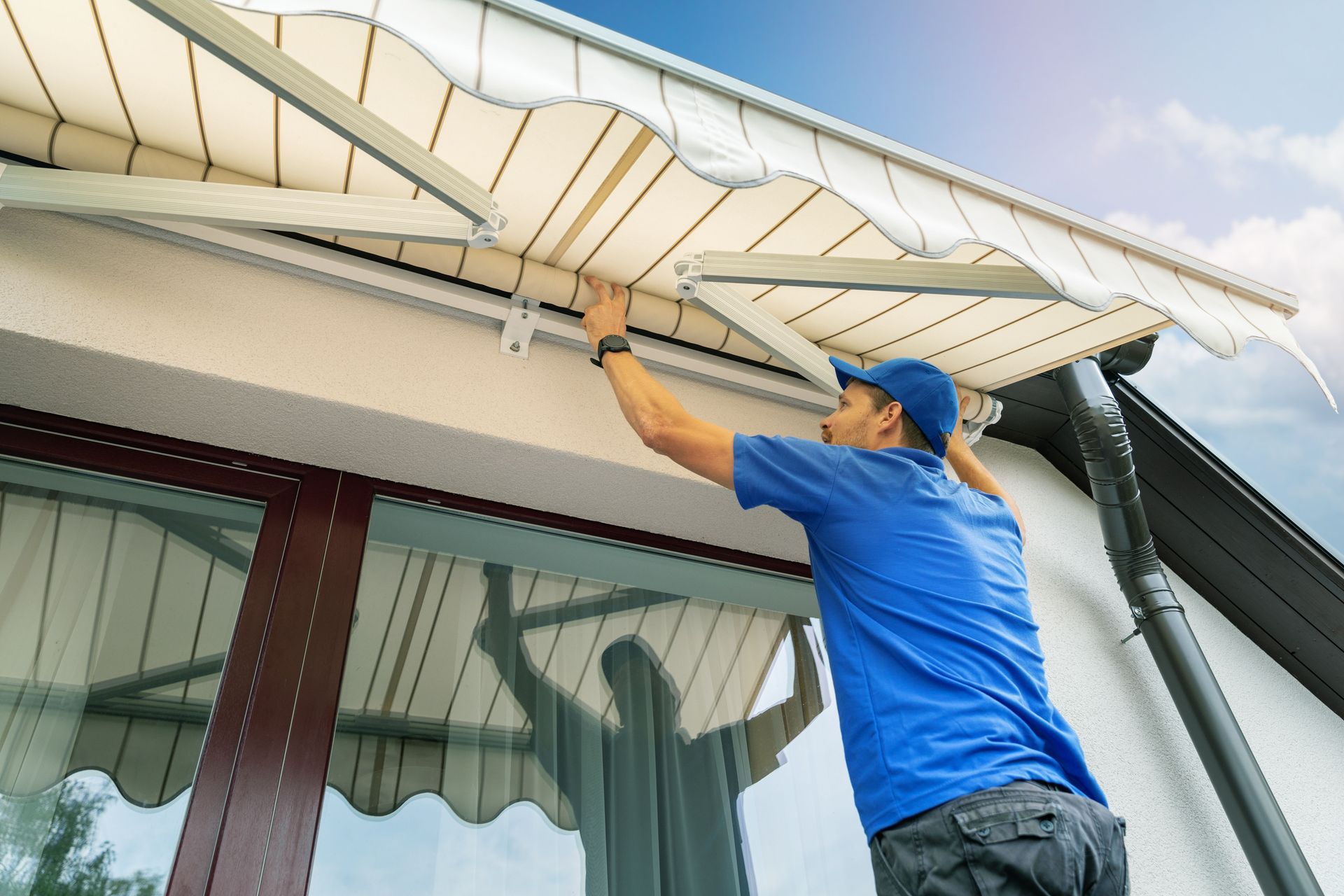
Outdoor living has become an increasingly important part of residential design. Homeowners are looking for ways to make patios, decks, balconies, and other exterior areas more comfortable and usable throughout changing weather conditions. Awnings can provide shade while also contributing to the appearance and functionality of a home's outdoor spaces. Among the available options, the retractable awning has become an appealing choice because it allows homeowners to adjust coverage according to their needs.
Residential awnings can serve both practical and aesthetic purposes. They can help create more comfortable shaded areas while complementing exterior architecture and landscaping. Unlike permanent overhead structures, adjustable awning systems can provide flexibility when homeowners want sunlight, shade, or protection from light weather. Understanding the reasons behind the growing popularity of residential awnings can help homeowners determine how these systems may fit their properties.
Expanding Outdoor Living Spaces
Outdoor areas can become more useful when homeowners have greater control over sun exposure. Patios and decks that receive intense sunlight may be uncomfortable during certain portions of the day, limiting how often they are used. Adding an awning can create a shaded area that encourages people to spend more time outside. This can make an existing outdoor space feel like a more functional extension of the home.
A retractable awning provides additional flexibility because its position can be adjusted as conditions change. Homeowners may want extensive shade during bright afternoon hours and more open exposure later in the day. Adjustable coverage allows an outdoor area to accommodate different preferences without permanently blocking sunlight. This versatility is one reason awnings have become increasingly relevant to residential outdoor design.
Increasing Shade and Comfort
Direct sunlight can make outdoor seating areas significantly warmer, particularly during the summer months. Shade from an awning can help create a more comfortable environment for dining, relaxing, entertaining, or spending time with family. The amount of coverage available depends on the system's design, size, and placement. Proper planning can help homeowners create shade where it provides the greatest practical benefit.
A retractable awning allows homeowners to adjust coverage based on the position of the sun and the activities taking place underneath it. This can make an outdoor space more adaptable throughout the day. The ability to retract the system also provides access to direct sunlight when desired. Such flexibility can make the outdoor environment easier to manage.
Supporting Flexible Outdoor Design
Residential properties vary considerably in architecture, layout, and outdoor space. An awning that works well for one home may not be appropriate for another because of differences in dimensions, wall placement, windows, doors, or outdoor features. Professional planning can account for these characteristics when determining an appropriate awning configuration. This helps the finished system complement the property rather than appearing disconnected from its design.
A retractable awning can be incorporated into a variety of outdoor settings because it does not require permanent coverage at all times. It can provide shade when needed while remaining retracted when homeowners prefer an unobstructed view. This flexibility gives property owners more control over how their exterior spaces look and function. The result can be a more adaptable approach to outdoor living.
Complementing Home Exterior Styles
Awnings can contribute to a property's visual character in addition to providing shade. Fabric colors, patterns, frame finishes, dimensions, and mounting configurations can all influence how an awning looks against the home. Coordinating these elements with existing exterior colors and architectural details can create a cohesive appearance. A well-integrated system can become a purposeful design feature rather than simply an accessory.
A retractable awning can be particularly useful for homeowners who want functional shade without committing to a large permanent structure. Its ability to retract can preserve architectural sightlines when the system is not in use. Careful selection of colors and materials can further connect the awning with the property's existing appearance. These considerations make aesthetics an important part of the planning process.
Improving Patio Functionality
Patios are often designed for multiple purposes, including outdoor dining, entertaining, relaxation, and recreation. Weather conditions can interfere with these activities, especially when direct sunlight makes seating areas uncomfortable. An awning can help create a more usable portion of the patio by providing shade when it is needed. This can allow homeowners to get more practical value from existing outdoor areas.
A retractable awning can also adapt to changing activities. Homeowners may want full shade while dining but prefer an open patio when enjoying cooler weather or evening sunlight. Adjustable coverage allows the same space to serve different purposes without requiring separate structures. This makes flexibility a significant consideration when evaluating residential awning options.
Supporting Energy-Conscious Design
Awnings can also play a role in managing sunlight around windows and exterior doors. Direct solar exposure can contribute to heat entering a home through glazed surfaces, particularly during warmer periods. Providing shade over certain areas may help reduce some of that direct exposure. The effectiveness of an awning for this purpose depends on factors such as orientation, placement, climate, window characteristics, and overall building design.
A retractable awning gives homeowners the ability to adjust shade based on seasonal and daily conditions. More coverage can be useful during periods of strong sunlight, while retraction can allow beneficial sunlight into the home when appropriate. This adjustable approach provides greater control than a permanently fixed covering. Homeowners can therefore incorporate awnings into a broader strategy for managing outdoor and indoor comfort.
Reflecting Growing Residential Demand
Residential awnings are becoming an increasingly recognized feature of outdoor living spaces. Homeowners continue to look for ways to make exterior areas more comfortable without sacrificing flexibility or visual appeal. According to Archive Market Research, residential buyers account for six out of every 10 retractable awnings sold. This indicates that residential applications represent a substantial portion of demand for adjustable awning systems.
The growing residential market reflects changing expectations about how outdoor spaces should function. Patios, decks, and other areas are increasingly viewed as usable living environments rather than spaces reserved for occasional activities. Awnings can help homeowners respond to these expectations by providing adjustable shade and greater environmental control. As outdoor living remains an important consideration in residential design, flexible shading solutions can become increasingly relevant.
Increasing Weather Adaptability
Outdoor comfort can change quickly because of sunlight, light precipitation, wind conditions, and temperature fluctuations. A fixed structure provides consistent coverage, but that coverage may not always be desirable. Adjustable awnings give homeowners greater control over how much protection or exposure an outdoor area receives. This can make exterior spaces more adaptable to changing conditions.
A
retractable awning can be positioned according to the circumstances and the homeowner's intended use of the space. When shade is needed, the system can extend to provide coverage. When open exposure is preferred, it can be retracted to restore the original outdoor environment. This ability to adjust coverage is an important advantage for homeowners seeking versatile exterior improvements.
Creating More Private Outdoor Areas
Awnings can also contribute to the sense of enclosure and privacy in certain outdoor settings. By providing overhead coverage, they can help visually define a patio or seating area. Combined with existing landscaping and architectural features, an awning may make an outdoor area feel more distinct from the rest of the property. This can contribute to a more comfortable atmosphere for relaxation and entertaining.
At Awnair Adjustable Awnings, Inc, we help homeowners create more comfortable and adaptable outdoor spaces with professionally designed awning solutions. Our team can evaluate your property's layout, discuss your shading goals, and help identify an awning configuration that complements your home's exterior. We focus on practical functionality and thoughtful design so your outdoor space can better accommodate your needs. Contact Awnair Adjustable Awnings, Inc today to discuss your project and explore the possibilities for a professionally installed residential awning.